

NemoClinics is an academic platform applying new effective methodologies to characterize mouse models in vivo at birth.
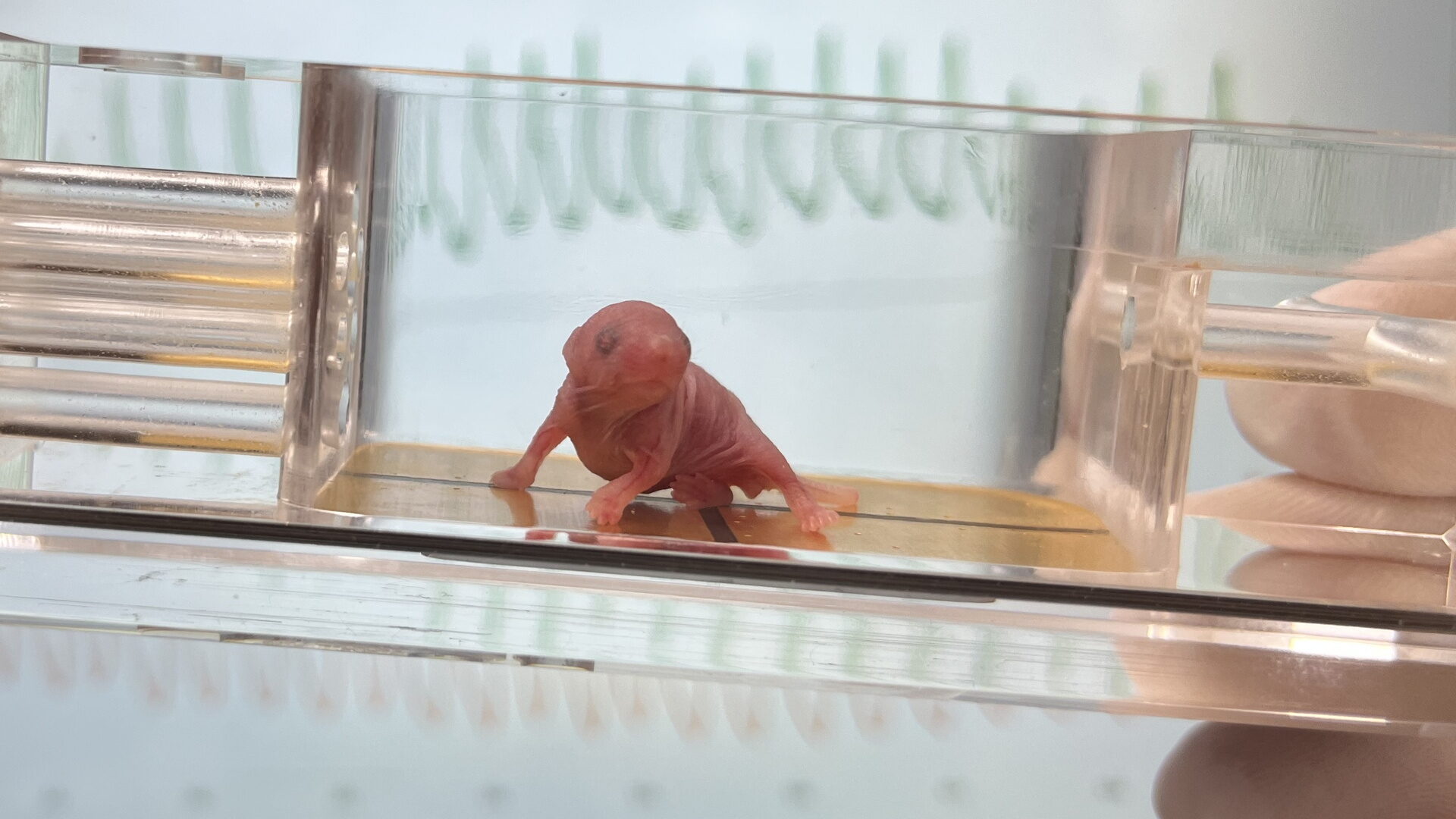
Newborn mice phenotyping
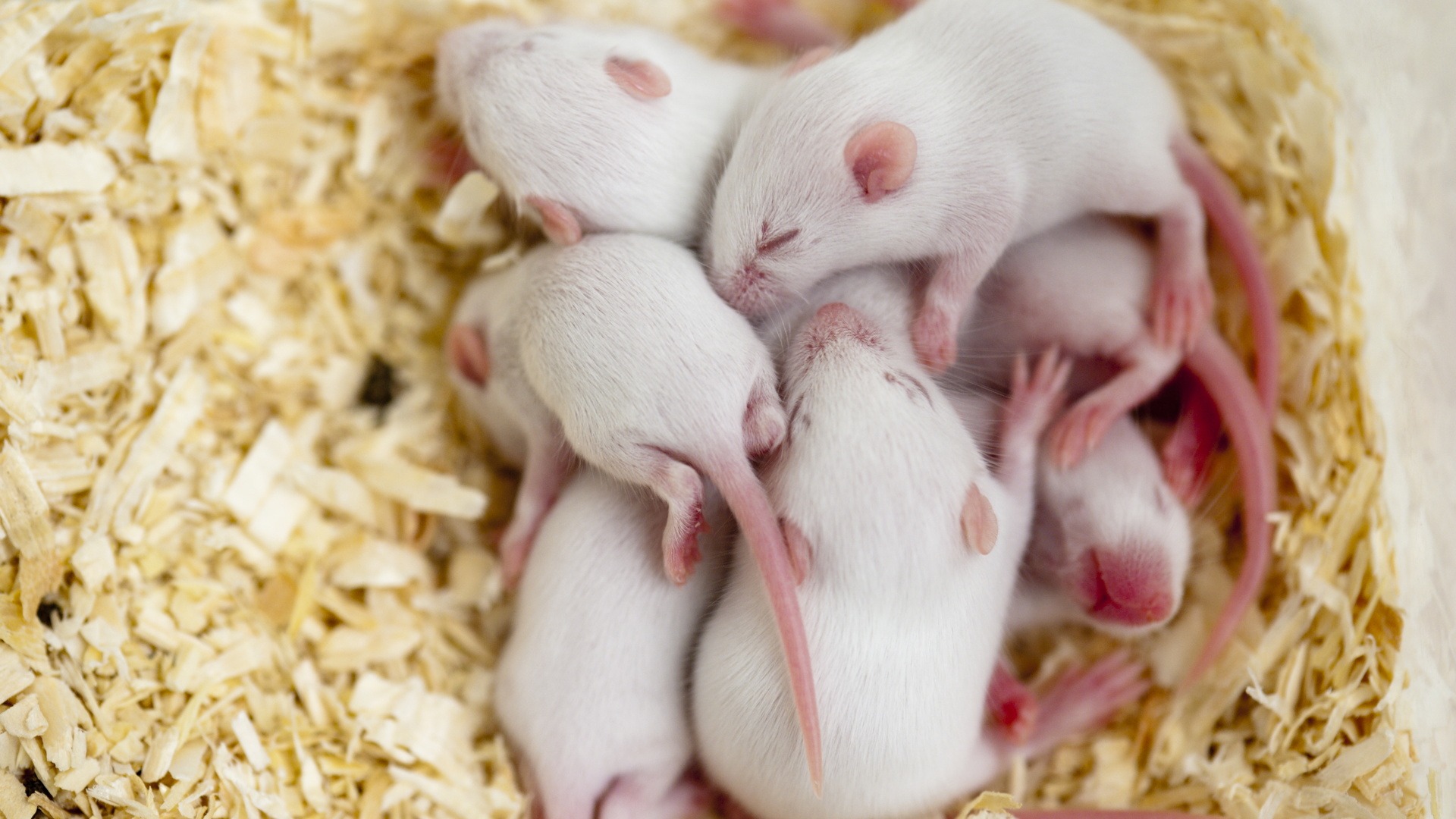
We have developed a novel phenotyping platform for newborn mice. This platform allows high-throughput screening tests able to characterize genetically engineered rodent models. Picture: non invasive cardio-respiratory monitoring for mice pups.
© NemoClinics
NemoClinics operations are conducted at Robert Debré Pediatric Hospital in Paris, in a laboratory of the French National Institute of Health and Medical Research (Inserm) and Université Paris Cité.
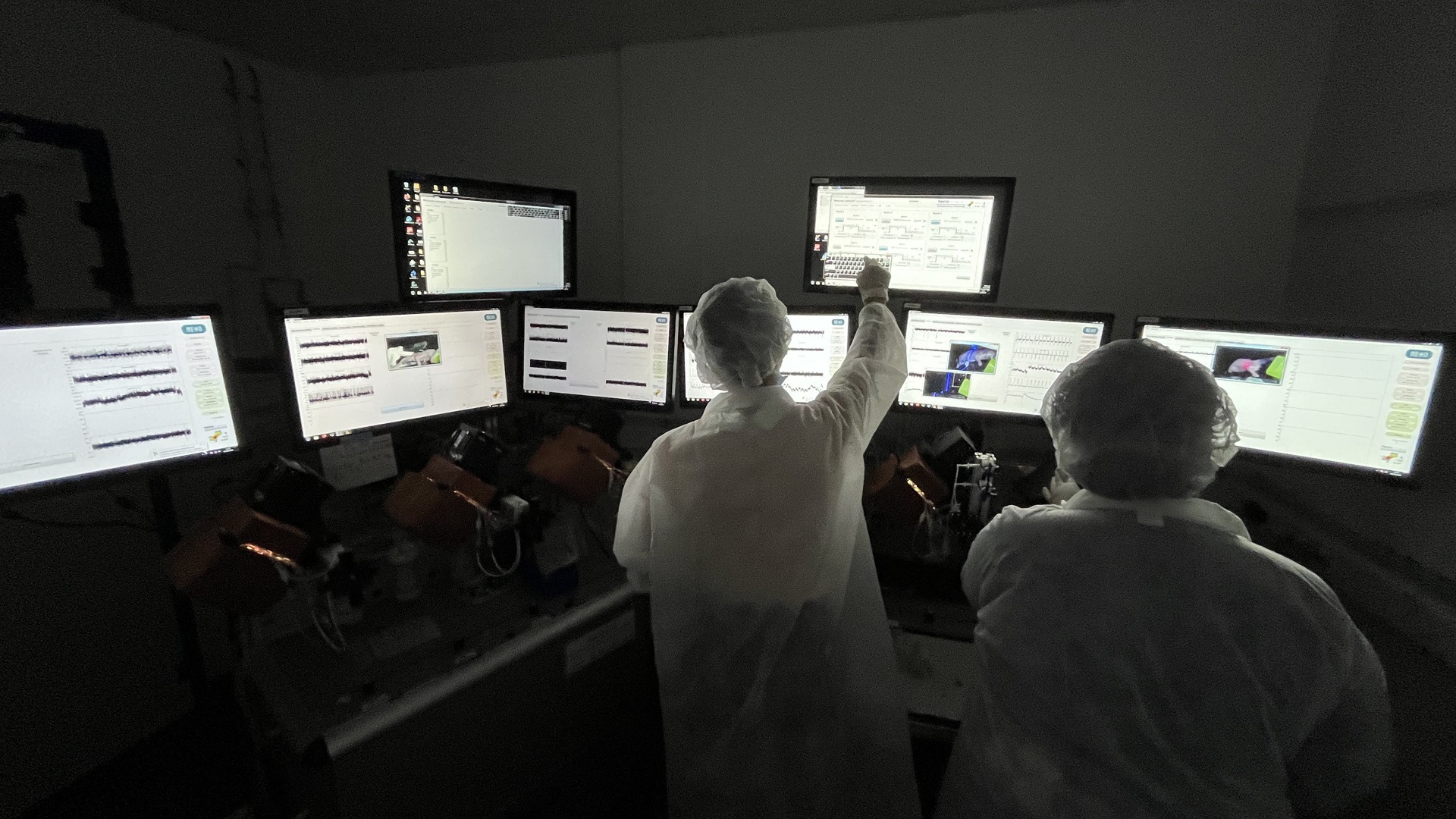
We have developed novel devices for newborn mice allowing high-throughput screening tests for genetically engineered rodent models
NemoClinics supplies a comprehensive in vivo screening methodology for new candidate drugs and paediatric indications
Contact
Director: Boris Matrot
Scientific advisor: Nelina Ramanantsoa
Technical specialist: Thomas Bourgeois
NemoClinics – Inserm UMR1141
Hôpital Robert Debré
48 Bd Sérurier
75019 Paris
France
contact
Technology
Services
Expertise
À lire aussi
Breaking news for Central Congenital Hypoventilation Syndrome
In collaboration with Dr. Muriel Thoby-Brisson (Université de Bordeaux, Institut de Neurosciences Cognitives et Intégratives d’Aquitaine, CNRS), and thanks to Fondation Air Liquide, Association Française du syndrome d'Ondine and start-up company ATMOSR, team NeoPhen...
Project – CCHS Foundation 2021
Team SleepCmd, in collaboration with team NeuroDev (Dr. Andrée Delahaye), receive support from the CCHS Foundation in 2022 to study the genetic dysregulations that could be associated with Congenital Central Hypoventilation Syndrome (CCHS). Members of the SleepCmd and...
Read more
Workshop Technical facility Neurodiderot “Flow cytometry, from conventional to spectral great prospects with the Sony ID7000” (V. Faivre) Thruday 28th may 2026 11:00 AM
Flow cytometry is a powerful quantitative technique for analyzing cell phenotypes or certain microparticles. This workshop will introduce you to the basics of conventional cytometry, then compare this technology to spectral cytometry, an innovation that appeared on...
Conference April 16th, 2026, 11:00 AM by Alexandra Benchoua from I-Stem : Human pluripotent stem cell models for high-throughput screening of therapeutic molecules and precision medicine in neurodevelopmental disorders.
Meeting Room 6th floor Bingen Building and Visio https://u-paris.zoom.us/j/84730677369?pwd=AFdhdI6alNWLbXub7sM1DJ33yUIOYN.1 - Summary séminaire A-Benchoua _27-nov-2025 english
Scientific conference Thursday, April 2nd 2026 (11/00 AM) by Melody Atkins: Primary cilium-elicited signals control the polarity of migrating neurons
20260402 séminaire Melody Atkins english Meeting Room 6th floor Bingen Building and Visio https://u-paris.zoom.us/j/84730677369?pwd=AFdhdI6alNWLbXub7sM1DJ33yUIOYN.1
Conference Thursday, January 22, 2026, 11:00 AM by Xavier Leinekugel from the Institut de Neurobiologie de la Méditerranée (INMED), Marseille : Potential consequences of altered maturation of hippocampal perisomatic inhibition on cognitive development and neurodevelopmental disorders
20260122 Xavier LEINEKUGEL english